Skin Cancer Awareness Month, May 2026.
Understanding the Growing Risk
Skin cancer is now one of the most common cancers in the UK, with more than 150,000 non‑melanoma cases diagnosed each year and melanoma rates continuing to climb. The statistics are stark: 1 in 36 men and 1 in 47 women will face a skin cancer diagnosis in their lifetime. More than a quarter of cases occur in people under 50, making it one of the few cancers increasingly affecting younger adults.
Two main types exist — melanoma and non‑melanoma. Non‑melanoma cancers typically appear on sun‑exposed areas such as the face, ears, hands and shoulders. Melanoma, the more serious form, can spread quickly if not caught early.
Crucially, 86% of melanoma cases are preventable. Overexposure to the sun and the growing trend of sunbed use — fuelled by misinformation online — remain the leading causes. For people with brown or Black skin, melanoma can appear in areas not linked to sun exposure, such as the palms, soles, or under the nails, meaning regular self‑checks are essential.
For Greenwich residents, this means being alert to risks that may feel distant but are very real locally. Our diverse community includes people of all skin types, ages and lifestyles — and each group faces different vulnerabilities.
🔍 What Increases Your Risk?
Several factors significantly raise the likelihood of developing melanoma:
Childhood sunburn — blistering burns in early life double the risk later on.
Sunbed use — especially before age 35, but harmful at any age.
Fair skin or freckling — skin types I and II burn more easily.
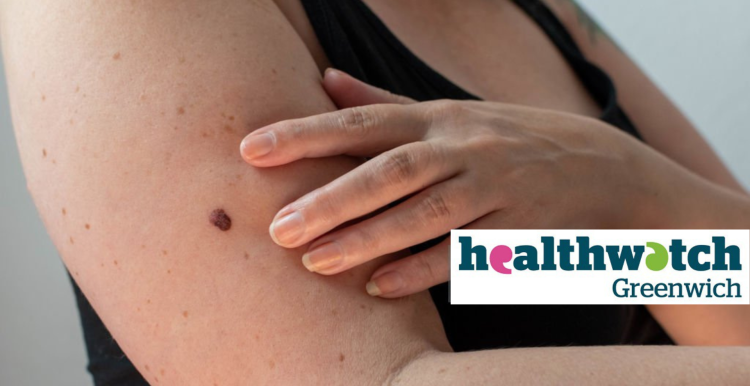
Irregular or atypical moles — particularly those larger than 5mm with uneven colouring.
Family history or previous skin cancer.
Immunosuppression — including transplant patients or those living with HIV/AIDS.
For Greenwich, where outdoor spaces like Greenwich Park and the Thames Path draw thousands year‑round, understanding these risks is essential. Sun exposure isn’t just a holiday issue — it’s a daily one.
🧭 Where to Get Support in Greenwich
Residents can access reliable help and guidance through:
NHS skin cancer information — symptoms, prevention and when to seek help.
Local GP practices — for mole checks, referrals and medical advice.
Cancer Research UK resources — prevention tips and community support.
British Skin Foundation — expert information for all skin types.
For anyone worried about a mole, a new mark, or a change in their skin, speaking to a healthcare professional promptly is vital. Early detection saves lives.