NHS Doctors’ Strike: 15 to 19 June, 2026.
The industrial action is expected to affect routine hospital appointments, outpatient clinics and some planned procedures across parts of the NHS in South East London. Emergency care services will continue to operate, but hospitals are warning of increased pressure and potential disruption to waiting times.
While strike action can create uncertainty for patients, NHS leaders are stressing that urgent and emergency care remains available and that people should continue to seek help when they need it.
What services are affected and what to expect
During the strike period, some planned hospital care may be postponed and rescheduled. Hospitals will prioritise emergency, critical and high-risk care, meaning routine appointments and elective procedures are most likely to be affected.
Patients are being advised to attend appointments unless they are contacted directly by their hospital to rearrange. Anyone whose care is affected should be offered a new date as soon as possible.
The wider NHS system will also be working to manage increased demand in urgent care services, including A&E departments.
Where to go for help during the strike
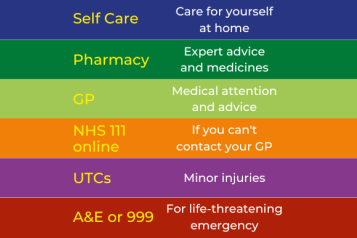
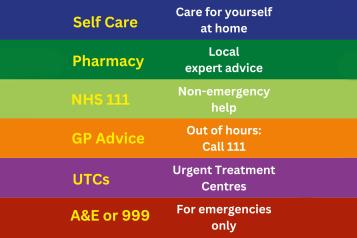
Residents are being advised to use the most appropriate service depending on their needs:
-
Life-threatening emergency or serious injury: go to A&E or call 999
-
If you are unwell but it is not an emergency: contact your GP practice
-
If you cannot reach your GP: use NHS 111 Online
-
For urgent mental health support: access NHS 111 Online (mental health support)
-
For minor illnesses, advice and medicines: visit a local pharmacy, many of which can treat common conditions without an appointment
Pharmacists are trained healthcare professionals and can provide guidance on a wide range of conditions, including infections, pain, skin issues and medication advice.
What this means for people in Greenwich
For people in Greenwich, the key concern during strike action is not only hospital disruption but ensuring care is not delayed unnecessarily. Many health issues can be safely managed outside hospital settings, and using pharmacies or NHS 111 can help reduce pressure on emergency services.
Patients with long-term conditions should continue taking prescribed medication as normal and ensure repeat prescriptions are ordered in advance where possible.
Support and access to care
Anyone unsure about where to go for help should start with NHS 111, which can assess symptoms and direct people to the most appropriate service. GP practices remain the first point of contact for non-emergency health concerns.
In emergencies, always call 999 immediately.