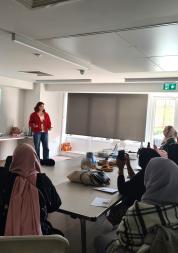
Raising awareness of abuse in marginalised communities
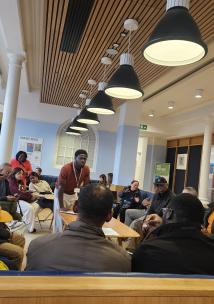
What emerged was that awareness matters, but awareness alone is not enough. People weigh up trust, relationships, reputation, family obligations, cultural expectations, immigration concerns, and fears about what might happen after they speak up. The question is often not, "Do I recognise abuse?" but "Can I afford the consequences of acting?" Effective safeguarding is not simply about telling people to report abuse. It is about creating the conditions in which people feel safe enough to do so.
That means building trust, listening to lived experience, and designing systems around the realities of people's lives rather than assumptions about how they should behave. Across communities, people consistently described turning first to trusted community leaders, faith leaders, and local organisations long before they would approach formal services. These informal networks are already playing a safeguarding role, often without recognition, support, or resources.
Perhaps the most significant impact of this work is that it has moved beyond raising awareness and into influencing change. The Greenwich Safeguarding Adults Board has endorsed the report's findings and accepted its recommendations. Those recommendations will now be taken forward through the Board's strategic work programme, with progress reported publicly in future annual reports. The Board has also committed to continuing this work in partnership with Healthwatch Greenwich for a further six months.
The full report offers important insights for anyone interested in safeguarding, community engagement, health inequalities, and how public services can better work alongside the communities they serve.
Read or Download the full report here
If you would like this report in a different format, please contact joy@healthwatchgreenwich.co.uk