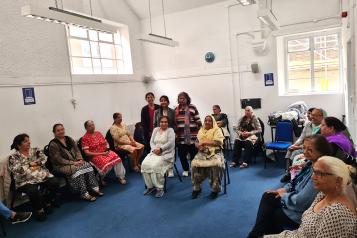
Conversation with Muslim Women on safeguarding and abuse, points out the lack of culturally appropriate services
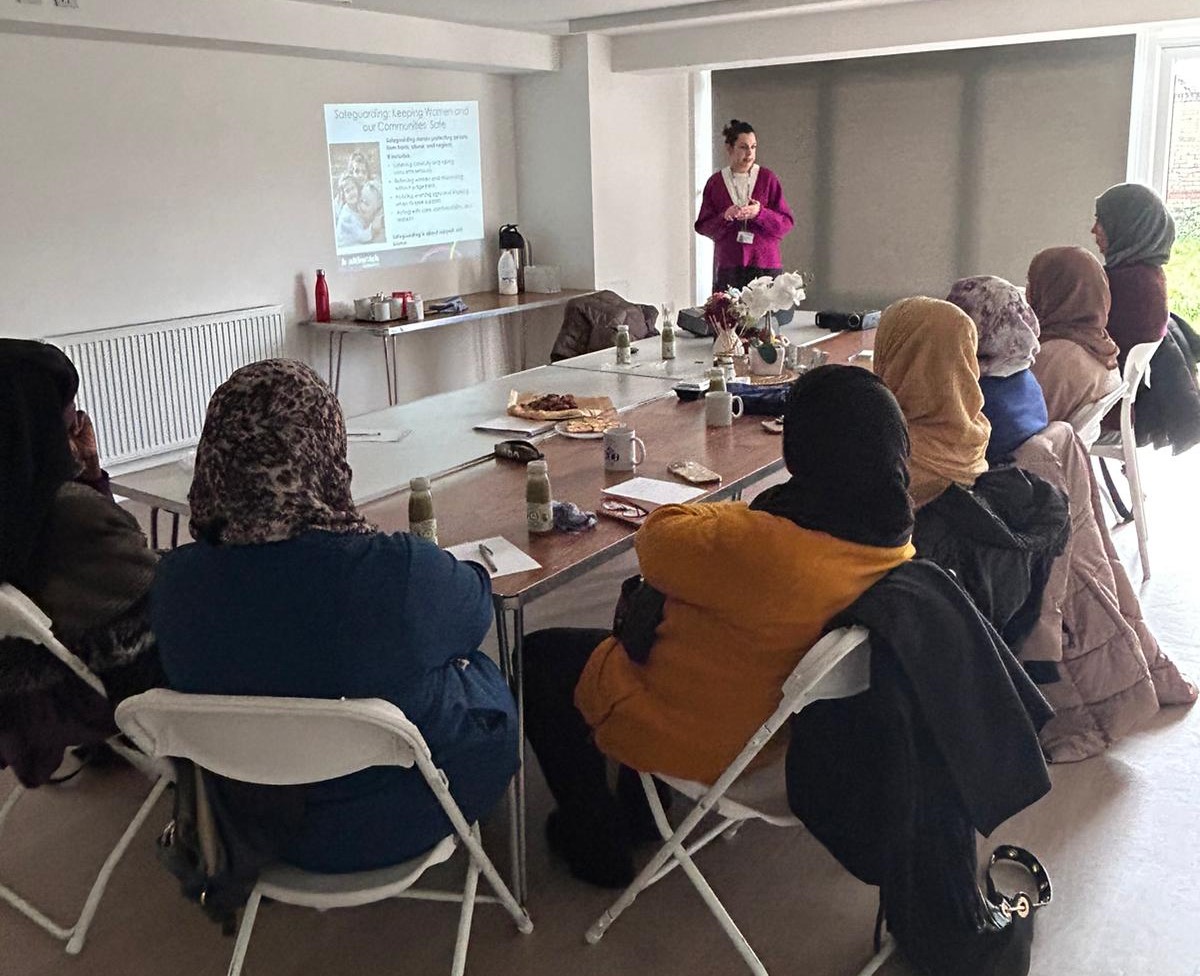
On Friday 30 January 2026, Healthwatch Greenwich joined the Muslim women’s group at Woolwich Community Centre for a conversation about safeguarding, as part of our Raising Awareness of Abuse project. What began as a roomful of people unsure about what “safeguarding” meant soon became a warm, honest space for sharing fears, hopes and practical questions.
Local Muslim women, mothers, carers, and were present in the session. Meeting in a familiar, trusted space helped women discuss openly about safeguarding, feel safe to ask questions and share their experiences.
At the start, many women associated safeguarding only with children’s safety, which is a common reaction. Women told us that safeguarding information is often presented in narrow, technical terms that leave out the everyday pressures and inequalities, excluding people from decision making and getting relevant support.
As the discussion opened up, women named the wider realities that matter — domestic and financial pressures, the mental-health impact of past trauma, and the ways racism and discrimination shape both risk and access to help.
Fear of asking for help was a strong and recurring theme. Several women described how stories travel through families and communities and can create a deep reluctance to contact services.
As one participant put it, “Once services get involved, families feel judged instead of supported, and that makes people scared to speak again.”
That fear is not irrational: when systems respond without cultural understanding, they can compound harm and push people into silence. This is a justice issue as much as a safeguarding one — when people face discrimination or are treated as problems rather than people, the result is distrust and harm.
Key takeaways from the safeguarding session
The group’s honesty underlined three important lessons for anyone working in safeguarding:
Language matters. Framing matters. When safeguarding is explained in ways that acknowledge structural drivers — poverty, racism, immigration status, social isolation — people are more likely to recognise harm and to trust routes to support. Words that centre dignity and collective responsibility rather than blame make it easier for communities to come forward.
Trusted spaces are essential. Community centres, faith settings and informal networks are where people first turn. These channels should not be bypassed — they must be resourced, supported and listened to. This session showed that when people are offered a non-judgemental space, they share difficult experiences and start to rebuild confidence.
Responses need relationships, not one-offs. Women at the group wanted ongoing presence and culturally attuned support, not a single leaflet or event. Relationship-based practice — involving local leaders, community organisations and interpreters where needed — reduces fear and increases safety over time.
Despite the weight of the issues discussed, the session ended on a hopeful note. Women spoke about community strength and the importance of mutual support. Being listened to reduced isolation and made people feel less alone.
For this session, we co-produced information leaflets in English and Arabic with the community, based on their inputs and feedback, which were later distributed during the session. A video featuring relevant community references, formed a basis to support safeguarding messages, which is being circulated within their local WhatsApp group.
One woman concluded the session, saying, “Sometimes asking one question or starting one conversation can save a life.”
Crucially, the group welcomed the session and invited Healthwatch Greenwich to return — a tangible sign of trust and a desire for further co-produced safeguarding work.
Healthwatch Greenwich will continue to listen to communities. If you’d like us to work with your group or community to raise awareness for abuse, please get in touch.