Conversations with Bengali Women About Staying Well and Ageing Well
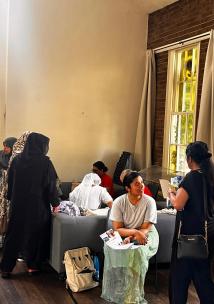
Healthwatch Greenwich worked in partnership with the Royal Borough of Greenwich's Public Health team to bring the Council's Live Well programme into a trusted Bengali women's community group. The session on 23 June 2026, provided an opportunity not only to share practical advice about healthy ageing, but also to hear directly from residents about the realities of staying well while living with long-term health conditions.
Twenty-one Bengali women attended the interactive session, which explored physical activity, healthy eating, mental wellbeing, preventative health and local support services. Holding the discussion within a familiar community setting encouraged residents to ask questions, share personal experiences and discuss the practical challenges they face in maintaining their health. This created a valuable opportunity for Public Health colleagues to hear directly from residents about how health messages translate into everyday life.
Residents challenged assumptions about staying active
Although the session focused on the importance of physical activity, many residents questioned whether they were already meeting the recommended levels through everyday life. Housework, caring for family members, gardening and walking all featured prominently in the discussion, prompting a wider conversation about what counts as physical activity and how everyday movement contributes to healthy ageing.
The discussion also highlighted an important distinction between being busy and maintaining strength, balance and flexibility. Several residents explained that living with pain or long-term conditions sometimes made everyday activities difficult, making structured exercise feel unrealistic. This enabled Public Health colleagues to explore practical ways of exercising safely, recognising changes in symptoms and finding activities that could be adapted to different levels of mobility.
Residents were introduced to chair-based exercises, yoga, strength and balance activities, alongside local opportunities to remain active regardless of age or existing health conditions.
Residents highlighted where health advice needs cultural context
One of the most valuable conversations centred on healthy eating.
When the Eatwell Guide as introduced, residents quickly observed that it reflected predominantly Western eating patterns and did not always feel relevant to South Asian households. Rather than rejecting the guidance, residents wanted practical advice that reflected the foods they prepare every day.
The discussion explored how healthy eating principles could be applied within Bengali and wider South Asian diets. Residents spoke openly about carbohydrate-rich meals, large family portion sizes and the importance of maintaining cultural food traditions. This created an opportunity to discuss simple, achievable changes such as portion control, reducing saturated fats where appropriate and adapting traditional recipes while preserving their cultural identity.
Interest was particularly high when local community cookery clubs were discussed, with many residents keen to learn healthier ways of preparing familiar meals.
Living well means more than physical health
The conversation naturally expanded beyond diet and exercise to include wider aspects of wellbeing.
One resident described how crocheting helped her stay socially connected and supported her mental wellbeing, prompting a broader discussion about the importance of friendships, hobbies and community activities in later life.
Residents also asked numerous questions about managing long-term conditions, particularly Type 2 diabetes, which disproportionately affects South Asian communities. These discussions demonstrated a strong appetite for practical, culturally relevant health information that reflected residents' own experiences.
Residents highlighted barriers to accessing healthcare
Alongside discussions about healthy lifestyles, residents highlighted ongoing challenges in accessing healthcare.
Several women raised concerns about contacting their GP practice, with some describing digital systems as difficult to navigate. These conversations reinforced the importance of ensuring local services remain accessible for residents who may face language, digital or confidence barriers when seeking healthcare.
Creating a genuine two-way conversation
The session concluded with a health quiz, demonstrating that residents had retained key messages about healthy ageing and local support services.
However, the greatest value of the afternoon lay in the conversations themselves. Rather than simply receiving information, residents shared their lived experiences, challenged assumptions, questioned how national health advice applied within their own communities and highlighted the practical barriers they encounter in staying healthy.
By bringing together Public Health colleagues and a trusted community group, Healthwatch Greenwich helped create a genuine two-way conversation. The session not only increased residents' awareness of local health and wellbeing support but also provided Public Health colleagues with valuable insight into how health promotion messages can be made more relevant, culturally appropriate and accessible for Bengali women living in Greenwich.