Understanding Down’s Syndrome: Supporting Individuals and Families in Greenwich
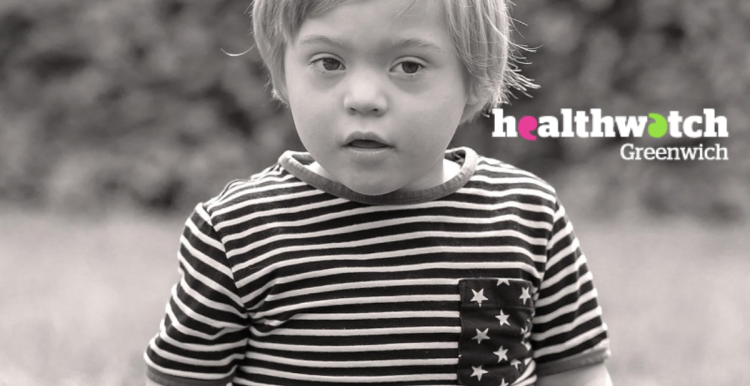
Down’s syndrome is a genetic condition that occurs when a person is born with an extra chromosome, usually due to a chance change in the egg or sperm before conception. It is not caused by anything a parent did or didn’t do during pregnancy. People with Down’s syndrome have a range of abilities, strengths, and personalities—just like everyone else—and may require varying levels of support throughout their lives.
Some individuals with Down’s syndrome are highly independent, taking on jobs and engaging actively in community life, while others may need regular care. Learning disabilities are common, but the degree can vary. The NHS also highlights that families often find joy, resilience, and pride in their experiences, and that support systems—both medical and social—can play a crucial role in helping individuals thrive.
During pregnancy, screening tests are offered between weeks 10 and 14, combining ultrasound and blood tests to understand the likelihood of a baby having Down’s syndrome. Importantly, these screenings are optional, and further tests are available if results show a higher chance. Parents are encouraged to speak with healthcare professionals, including genetic counsellors, to explore options and support.
For Healthwatch Greenwich, ensuring that families receive clear information, accessible healthcare, and supportive local services is essential. Whether it's early years development support, inclusive education, or adult independence pathways, we champion the voices of residents to help shape high‑quality, person‑centred care. By listening to lived experiences, we can help build a borough where every person with Down’s syndrome is valued and supported.
Get Support Here