Men Speak Up: Understanding Safeguarding and Wellbeing in Greenwich
A Shift in Awareness
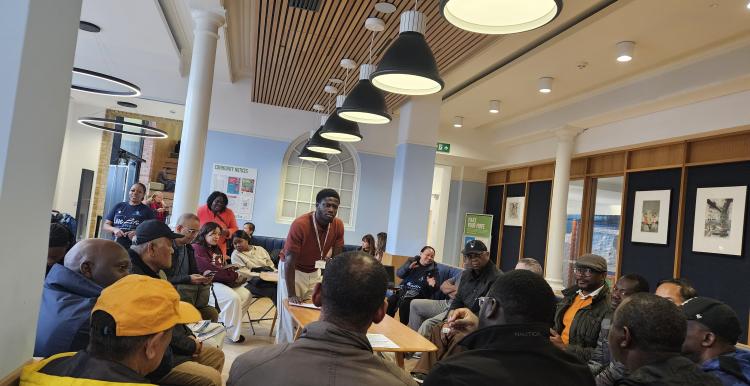
A recent safeguarding and wellbeing workshop brought together 35 participants from across Greenwich’s communities, offering a rare space for men to talk openly about stress, vulnerability, and the pressures that shape their lives. At the start of the session, only four attendees knew what safeguarding meant; by the end, all 35 reported clear understanding, marking a striking shift in awareness.
Discussions were candid. Participants described how cultural expectations around masculinity often silence men, discouraging them from seeking help or reporting abuse. One attendee captured the sentiment plainly: “The unwritten rule of being a man — that you just get on with it — is one of the biggest barriers to men getting help.”
Concerns also surfaced about bias within professional systems, with some men expressing fear of not being believed or taken seriously when raising concerns about abuse or mistreatment. These reflections underline the importance of accessible, culturally aware safeguarding education.
What This Means for People in Greenwich
The workshop highlights a clear message: many men do not recognise safeguarding as something that applies to them. Yet the issues raised — stress, coercion, emotional harm, and systemic bias — are present in everyday life. Participants spoke about uncertainty over when to share concerns, fear of burdening others, and distrust of services shaped by past negative experiences.
For Greenwich, this signals a need for more community‑level conversations, peer‑led support, and safe spaces where men can talk without judgement. The appetite is there; participants asked for regular sessions and more opportunities to learn, reflect, and support one another.
Where to Get Help and Support
If you suspect a person is at risk of abuse or is being abused, report it to the Contact Assessment Team. Phone: 020 8921 2304; Out of hours: 020 8854 8888
Royal Greenwich Community Hub – support with wellbeing, advice and signposting: https://www.royalgreenwich.gov.uk/communityhub
Mind in Greenwich – mental health support and talking therapies: Tel: 020 8853 1735
National Domestic Abuse Helpline (24/7): 0808 2000 247
Or contact Healthwatch Greenwich to share your health and care experience.